


Hospice Care in Las Vegas, New Mexico

Watching a loved one live with a serious illness can make each day feel packed with choices, calls, and updates that keep changing before you can catch your breath. Hospice care helps slow that pace by centering comfort, dignity, and dependable support when the focus shifts away from cure-based treatment and toward day-to-day quality of life. Anvoi Hospice provides hospice care services around Las Vegas, New Mexico, supporting families across San Miguel County with guidance that feels steady, human, and easier to navigate. Care stays focused on what matters most, which often means fewer surprises and more confidence about the road ahead.

A Message from Your Care Team

Meaningful Time & Practical Support

About Hospice Care in Las Vegas

Hospice care supports patients with a life-limiting diagnosis who want care built around comfort, meaningful time, and practical help at home or in a familiar setting. This support commonly includes symptom relief, medical oversight, caregiver coaching, and emotional and spiritual care that helps families feel grounded during a sensitive chapter. Each plan is tailored, which means care follows the patient’s needs and routines instead of forcing life to revolve around constant appointments. Families often notice that everyday decisions feel less confusing once there is a clear plan and a reachable team.

Across Las Vegas and the broader San Miguel County area, hospice often begins after a hospital discharge, repeated specialist visits, or a conversation that makes the next medical steps more realistic and easier to understand. Many families reach out when they want to reduce emergency room trips, protect comfort at home, and still have clinical support they can trust. Anvoi Hospice helps with these transitions using calm communication, simple planning, and a team approach that makes the first week feel less overwhelming. Support stays organized, which helps families move forward without feeling rushed or pressured.


hospice care nurse holding hand on elderly patient
Request a Callback

The Anvoi Way: Comfort Wherever You Call Home

Anvoi Hospice starts with a simple idea: comfort cannot be copied from one family to the next, because every story, schedule, and set of needs is different. Physical comfort stays at the center of care, so the team focuses on pain relief, breathing ease, nausea control, fatigue support, and other symptoms that can drain energy and peace from the day. Emotional comfort matters just as much, especially when fear, grief, and uncertainty arrive in waves that do not follow a schedule. Care remains flexible, which helps families feel supported through changes that can happen quickly.

Spiritual support is available for families who want it, whether that looks like prayer, quiet conversation, or guidance that honors personal beliefs without pushing an agenda. Language stays clear and respectful, since hospice works best when families can ask questions, understand options, and feel heard. Decisions are never rushed, because steady choices usually come from calm space and good information. Anvoi brings this approach to Las Vegas, Montezuma, Pecos, Ribera, Rowe, and nearby communities throughout San Miguel County.

Personalized Care Plans That Support the Whole Family

Hospice care supports the patient, yet caregivers often carry stress that stays hidden until it becomes heavy. Anvoi creates individualized care plans that protect the patient’s comfort while giving families practical guidance to feel capable at home. Education is built into the plan, since many caregivers want to know what symptoms may mean, what steps to take next, and when it is time to call for help. Clear coaching can reduce panic, especially during evenings, weekends, or sudden changes.

Care plans also reflect what makes a day feel normal, which could include familiar routines, meaningful visits, quiet rest, or small activities that bring comfort. A thoughtful plan can lower avoidable crises by keeping symptoms watched closely and responding early, before problems grow. Less crisis time means more presence, which is often what families are truly trying to protect. That steadiness is a common reason people begin looking for hospice care services around Las Vegas.

Granddaughter laughing with her elderly grandma while they enjoy nature

Familiar Support After a Hospital Stay or Facility-Based Care

Hospice care often begins after time at Alta Vista Regional Hospital or other nearby facilities, especially when discharge planning raises questions about what ongoing care will look like at home. A transition home can feel intimidating, even when the family is committed to comfort and independence. Anvoi helps coordinate next steps by aligning medications, arranging equipment, and preparing the home environment to support safety and symptom control. Practical planning reduces confusion, which helps families feel ready rather than rushed.

Many families say the hardest part is not choosing hospice, but figuring out what happens after a loved one returns home. Hospice reduces that uncertainty with a clear care plan, a team that is reachable, and guidance that is concrete and usable. Support stays consistent, which lowers guesswork and helps families respond with confidence when symptoms shift. The goal is a smoother handoff from facility-based care to home-based support, with comfort leading the way.

Elderly man holding the hand on a healthcare worker

Hospitals and Care Facilities We Commonly Serve

  • Alta Vista Regional Hospital

  • Nearby regional hospitals in Santa Fe and surrounding northern New Mexico communities

  • Area nursing homes, assisted living communities, and rehabilitation centers throughout San Miguel County

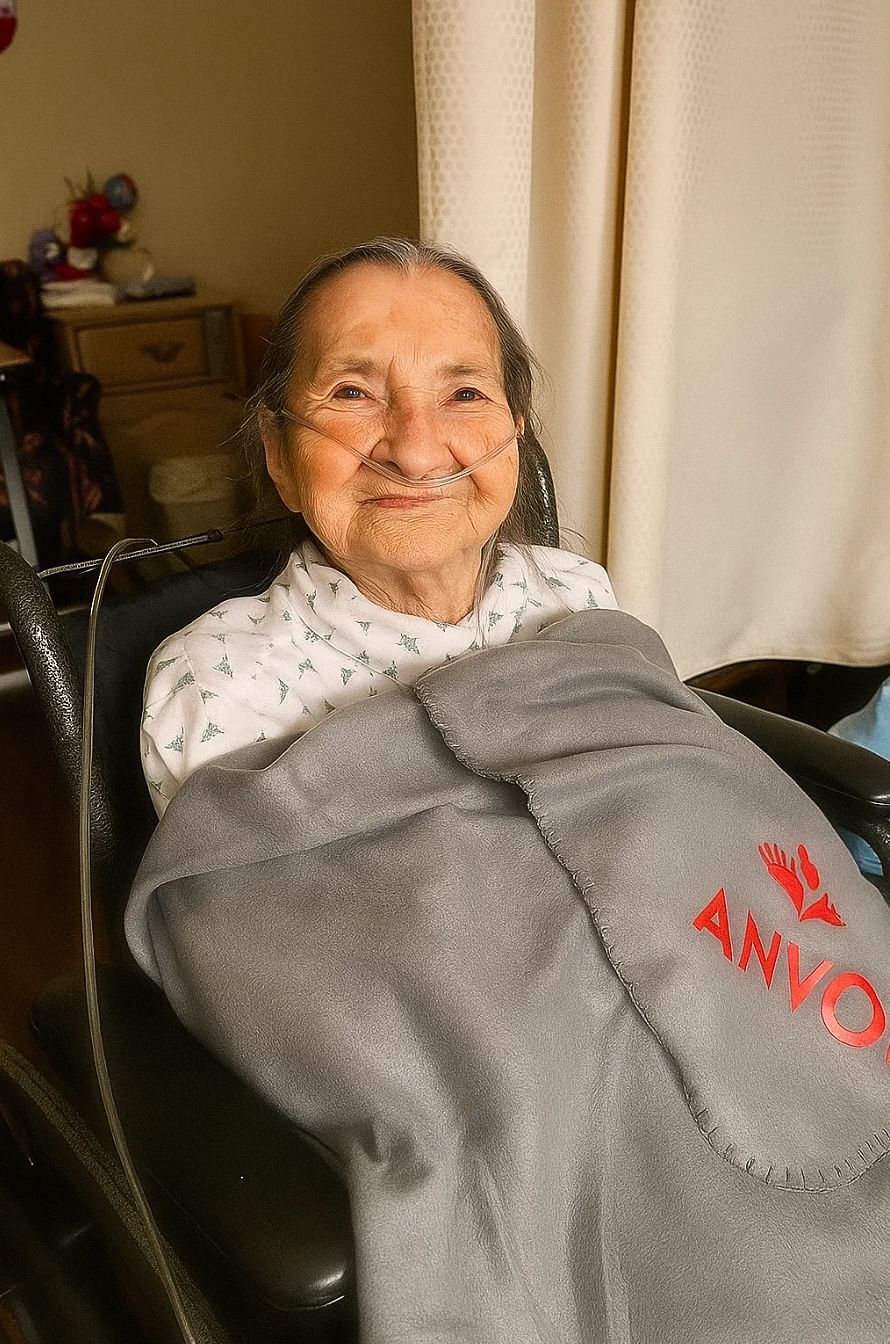
elderly woman sitting in wheelchair smiling

Services Available in Las Vegas

Anvoi Hospice offers hospice at home, pain and symptom management, and respite care designed to support both patients and caregivers during demanding stretches of care. Hospice at home brings the care team to the patient, which protects routines and reduces the stress that comes from travel and repeated appointments. Symptom management focuses on comfort, stability, and confidence from one day to the next, with guidance families can actually use in real time. Respite care may be available for patients already receiving Anvoi’s hospice services, giving caregivers a short, supported break when life requires it.

older couple sitting on the bed holding hands in their home
Understanding Your Coverage

The Four Medicare Levels of Hospice Care

Hospice care is not limited to one place or one intensity, because needs can change fast and support should be able to adjust. Medicare recognizes four levels of hospice care, which helps match services to what is happening in the moment. Anvoi Hospice explains these levels in plain language, then coordinates care based on symptoms, safety, and the goals the patient and family share. Knowing the differences can make decisions feel clearer and less stressful.

  • Routine home care is the most common hospice level, supporting patients where they live, including private homes and many community-based settings. Scheduled visits help manage symptoms, review medications, and keep comfort at the center of the plan. The care team monitors changes over time, which helps prevent avoidable crises and reduces last-minute scrambling. Families often appreciate that home can still feel like home, not like a clinic.

  • Continuous home care is used when severe symptoms require extra support at home for a short period of time. This level may include extended nursing presence to help manage issues like uncontrolled pain, breathing distress, or persistent nausea. The focus is stabilization, which means the team works to bring symptoms under better control as quickly and safely as possible. Once comfort improves, care usually shifts back to routine home care.

  • General inpatient care may be appropriate when symptoms cannot be managed safely at home, even with increased support. Care takes place in an inpatient setting where close monitoring and intensive symptom control are available. The goal remains comfort, which means treatment decisions focus on relief, safety, and dignity rather than aggressive interventions that do not match hospice goals. When symptoms stabilize, the plan can transition back to home-based care if that is preferred and clinically appropriate.

  • Respite care is available after a patient is already enrolled in hospice, because it is part of the hospice benefit rather than a separate program families start first. This level of care typically occurs in a skilled nursing facility and is generally limited to a maximum of five days at a time. Families often use respite when a primary caregiver needs their own medical care, recovery time, or a brief reset to avoid burnout. Please note Anvoi provides respite care only to patients already in Anvoi’s hospice care.

Elderly woman from Las Vegas looking at her daughter mid conversation

When Is Hospice the Right Next Step?

Many families in Las Vegas start thinking about hospice when daily life becomes shaped by symptom flare-ups, repeated hospital visits, or a steady decline that makes independence harder to maintain. The decision often follows honest discussions with physicians, discharge planners, or relatives who recognize that comfort and quality of life have become the priority. Hospice can make sense when ongoing treatment no longer offers meaningful benefit and the patient wants support that protects peace and dignity. Clear timing can reduce stress, since waiting too long can limit how much support families receive.

Starting earlier often gives families more time to benefit from education, symptom planning, and emotional support that improves day-to-day stability. Hospice is not about quitting, because it is about choosing care that matches the season the family is facing and the goals the patient holds. Anvoi helps families understand eligibility and transition steps in a way that feels respectful, calm, and steady. Support remains available as needs shift, which helps families feel less alone.

older woman smiling as she has conversation with healthcare worker in Las Vegas, NM

Conditions We Support

Hospice care can support many serious illnesses, especially when symptoms and daily needs become more complex over time. Care plans are built around the person, which means support reflects the condition, the stage of illness, and what comfort looks like for that individual. 

"Anvoi Hospice serves Las Vegas-area families with care that blends clinical skill and genuine presence. Each plan stays flexible so comfort can be protected as needs change."

Alzheimer’s Disease

Alzheimer’s disease often brings gradual changes in memory, communication, mobility, and daily function, which can place increasing responsibility on caregivers. Hospice support may focus on comfort, safety, nutrition support, and symptom relief while also helping families manage the emotional strain that builds over time. Guidance stays practical, because caregivers often need simple steps they can use at home. Anvoi’s team helps families feel less isolated as needs evolve and routines shift.

Dementia

Dementia can look different from one person to the next, and families may face changing behavior, appetite shifts, disrupted sleep, and a loss of physical strength. Hospice care can support symptom control, calming strategies, and caregiver education that makes daily care more manageable. Emotional support remains important, since uncertainty and grief can rise quickly during difficult changes. Spiritual care is also available for those who want it, helping families feel steadier during transitions.

Cancer

Hospice care for cancer often centers on pain control, nausea relief, fatigue support, and comfort measures that protect dignity and rest. Families may seek hospice when treatment side effects outweigh benefits, or when the patient wants more time at home instead of ongoing hospital-based care. Anvoi helps coordinate medications, equipment, and clinical oversight in a way that supports comfort with less disruption. Care stays focused on practical relief, which helps patients and families conserve energy for what matters.

Heart Failure

Heart failure can bring breathlessness, swelling, fatigue, and sudden symptom changes that create anxiety for patients and caregivers alike. Hospice care can support symptom management, medication guidance, and clear coaching on what to watch for, which often reduces fear and improves daily stability. Support also helps families plan for changes that may happen quickly, so they feel prepared rather than surprised. Anvoi’s team helps families in Las Vegas stay connected to help when symptoms shift.

Coverage and Support That Removes Financial Guesswork

Cost should not become another layer of stress for families already carrying a heavy load, which is why clarity about coverage matters early. Hospice care is covered 100% by Medicare, Medicaid, and most private insurance plans, and Anvoi helps families understand how benefits apply to the care plan. Fewer financial unknowns often makes it easier to focus on comfort and time together. Coverage conversations stay straightforward, since families deserve answers they can trust.

Hospice support commonly includes clinical visits, medications related to the hospice diagnosis, and medical equipment that supports comfort at home. Caregiver education is also part of support, helping families respond with confidence when symptoms change after hours or on weekends. Anvoi’s goal is coordinated care that feels accessible and organized, not complicated. Families often feel relief once they know there is a plan and a team behind it.

man in wheelchair getting assistance from healthcare worker

Community Connections Across Las Vegas and San Miguel County

Las Vegas has a strong sense of community, with family ties, faith communities, and neighbors who often show up when support is needed most. That local connection matters during hospice care, because familiar relationships and trusted routines can bring real strength in a hard season. Anvoi Hospice respects what makes Las Vegas unique, then shapes care around the patient’s life rather than asking families to rebuild their world around medical needs. Support stays personal, which helps care feel natural inside the home.

Anvoi also works with community partners and care networks across northern New Mexico, because hospice is stronger when support stays connected and responsive. Availability matters when questions feel urgent, which is why families value knowing someone can be reached day or night. Local coordination can reduce delays, improve comfort planning, and simplify next steps. Anvoi remains committed to steady presence, offering support wherever you call home.

People sitting down holding hands to offer emotional support

The Path to Consistent Comfort

Getting Started With Anvoi Hospice

Beginning hospice can feel like stepping into unfamiliar territory, even when the direction feels right. Anvoi keeps the process clear and calm, because families deserve a plan that feels manageable and never rushed. Early conversations are designed to clarify goals, explain options, and build trust with a team that listens first. Support starts with understanding what has changed and what the family needs most.

01

Reach Out

Contact Anvoi Hospice to explain what is happening, what has changed recently, and what your family wants care to provide.

02

Review Eligibility

A knowledgeable team member helps confirm whether hospice is appropriate based on diagnosis, recent history, and current needs.

03

Schedule a Visit

A clinician meets with your family to understand symptoms, routines, goals, and what support would make home feel steadier.

04

Build the Care Plan

The team coordinates medications, equipment, visit frequency, and caregiver education to match needs and preferences.

05

Begin Support at Home

Services start where your loved one lives, with ongoing guidance and access to help when symptoms change.

What Families Often Notice First

Many families notice a different feel in the home once hospice begins, because support becomes consistent and choices feel less reactive. Comfort-focused care reduces the stress of trying to solve everything alone, especially during nights, weekends, or moments when symptoms change quickly. A steady plan can help patients relax, which often improves daily comfort in meaningful ways. Families frequently say they feel more grounded once they know what to do and who to call.

Caregivers also tend to feel stronger once they have education, a clear plan, and a team that responds with practical help. Hospice does not remove grief, yet it can reduce avoidable chaos, confusion, and preventable stress. Anvoi Hospice works to bring calm reassurance to families throughout Las Vegas and the surrounding San Miguel County communities. Support remains steady as needs shift, which helps families stay present.

nurse helping elderly woman in Las Vegas, NM

Choose Anvoi Hospice in Las Vegas, NM

Hospice care protects dignity, comfort, and peace while giving families support that makes home life feel more stable. Anvoi Hospice provides hospice care services around Las Vegas, New Mexico, serving families across San Miguel County with care that is personal, responsive, and rooted in compassion. Every care plan is built around the patient, with support that respects family values and the life your loved one has lived. Care stays organized, clear, and centered on comfort.

If your family is considering hospice after a hospital stay, a discharge conversation, or a change in care goals, Anvoi Hospice is ready to help you sort through next steps with clarity and kindness. Reach out today to speak with Anvoi about hospice services around Las Vegas, and let a local team support your family with comfort-focused care wherever you call home.

young nurse assisting seniors during breakfast

Our Services

What We Provide

We genuinely care for our patients and their families. Each patient receives:

elderly man looking over paperwork with doctor

Team Members

Who Will Be on Your Hospice Team?

Your hospice team may include any of the following:

Care Hospice Physician
Chaplain Chaplain
Bereavement coordinator Bereavement Coordinator
Certified nursing assistant Certified Nursing Assistant
RN Registered Nurse
Dietician Dietician
Social worker Social Worker
Nurse practitioner Nurse Practitioner
Therapists Physical, Occupational, and Speech Therapist
Volunteers Volunteers

Looking for a career in hospice?

Frequently Asked Questions

  • A growing number of hospice programs have their own hospice facility or have arrangements with nursing homes, hospitals or inpatient residential centers that care for people who cannot be cared for at home. However, the cost to live in these settings may not be fully covered by your insurance, so it is best to find out if insurance covers this type of care before you call hospice.

  • Every person receiving hospice has access to a registered nurse, social worker, hospice aide, and chaplain (also known as the interdisciplinary team) and volunteers. The hospice team will work with you and your family to create a plan of care that will outline the actions and goals for your hospice care. All visits are based on you and your family’s needs in the care plan and your medical condition during the course of the illness. The frequency of volunteers and spiritual care is often dependent upon request and the availability of these services. Travel requirements and other factors may cause some variation in how many individuals each hospice staff serves. 

  • The hospice team visits on an intermittent basis. This team includes physicians, nurses, social workers, hospice aides, chaplains and other specially trained care providers. The frequency of visits is determined by the patient’s needs. A hospice RN is on call 24 hours a day/7 days a week to answer questions and provide support. After hours visits are made as needed.

  • As the patient, it is your right, or the right of your decision maker, to determine when hospice care is right for you and which agency you would like to use. Others may recommend agencies for you to consider, but it is up to you to make the final decision. Not all hospice providers are the same, and it is important to receive the care that best fits your desires and needs.

  • You can stop hospice services at any time and for any reason. You can change your mind and resume aggressive treatment. Then if you wish to return to hospice care later, you can do so as long as you meet the medical hospice admission requirement.

  • Hospice makes the patient’s quality of life the focal point of care. Hospice professionals are trained to provide care and treatments that lessen the patient’s pain and other symptoms. Hospice strives to decrease the burden of medical treatment when such measures would not improve the patient’s quality of life. For some patients, this may mean decreasing the number of medications taken for chronic conditions.

  • Receiving hospice does not mean that death is imminent. Studies have shown that patients who elect hospice care earlier often live longer than those who continue to receive curative treatment. Hospice care is designed for patients who have a life expectancy of approximately six months or less. However, as long as the patient continues to meet hospice requirements, they may continue to receive services – even if this is longer than six months.

  • Urinary tract infections (UTIs) affect the urinary system, affecting the bladder and kidneys. They can be occasional inconveniences or recurrent nightmares. Anvoi provides information on why some individuals face repeated UTIs and how to reduce their frequency and manage symptoms.

    Learn more about treating UTIs.

  • Hospice services can be provided to a person who has a life-limiting illness wherever that person lives. This means a person living in a nursing facility or long-term care facility can receive specialized visits from hospice nurses, hospice aides, chaplains, social workers, and volunteers, in addition to other care and services provided by the nursing facility. The hospice and the nursing home will have a written agreement in place in order for the hospice to serve residents of the facility. The Medicare Hospice Benefit will cover the care related to your terminal illness, but it does not cover daily room and board charges of the facility. If you are eligible for Medicaid, Medicaid will cover room and board charges.

  • Many families wait to call hospice until the final days and weeks of their loved one’s life, not knowing they could have started receiving additional specialized nursing care and medications, medical equipment, and supplies related to their loved one’s terminal illness at no cost much earlier. Hospice care improves the patient’s quality of life by managing pain and other symptoms and improves the family/caregiver’s lives by having someone that they can lean on, seek guidance from and receive much-needed support during this difficult time. 

  • Each person’s end-of-life experience is unique, as it is influenced by such factors as the specific illness, medications being taken, and the person’s overall health. In some cases, these changes may occur over a period of weeks; for others, the process lasts just a few days or hours.

    However, a number of end-of-life changes are fairly common, as a person’s bodily functions naturally slow and stop. The following changes are often signs of this process, though not every patient exhibits all of these end-of-life signs.

    • Less interest in eating or drinking. The person may only need enough liquid to keep his or her mouth from becoming too dry. How to help: Offer, but don’t force, food, liquids, and medication. In some instances, the person may no longer feel pain he or she had previously felt.

    • Not passing fluids regularly. As bodily functions decline and the person eats and drinks less, their output of fluids will also decrease. How to help: Do nothing. However, if the patient is not passing fluids but feels the urge to do so, contact their nurse for advice.

    • Speaking and moving less. Activity usually decreases significantly in one’s final days and hours. People may not respond to questions and show little interest in their surroundings.

  • Hospice care may be considered for anyone doctors believe to have a life expectancy of less than six months. Usually at this point, active treatment aimed at recovery stops and hospice care is initiated. Hospice care focuses on producing the best possible quality of life in the patient’s remaining time.

    Different diseases and conditions each have their own guidelines for hospice admission. The most common of these diseases or conditions include ALScancerdementiaheart disease, HIV, kidney disease, liver disease, lung disease, Parkinson’s disease, stroke and coma. Sometimes a patient does not “fit” into the guidelines but still has a life expectancy of six months or less and therefore may be eligible for hospice.

    In order to be eligible to elect hospice care under Medicare, an individual must be entitled to Part A of Medicare and certified as being terminally ill by a physician and having a prognosis of 6 months or less if the disease runs its normal course.

  • • Medicare covers hospice care costs through the Medicare Hospice Benefit. See Medicare For More Info

    • Veterans' Administration (VA) benefits also cover hospice care. See Va.gov For More Info

    • The coverage of hospice care by Medicaid is optional and varies by state. See Medicaid For More Info

  • In addition to Medicare and Medicaid, most private insurance plans, HMOs, and other managed care organizations recognize the value of hospice care and include hospice coverage in their plans. Additionally, some hospices provide charity care to patients who do not have insurance coverage or the ability to pay for their care.

  • Hospice redefines hope and helps patients and their families reclaim the spirit of life. Hospice care focuses on improving the patient’s quality of life allowing them to make the most of the time they have.

  • Palliative care is a specialized approach to medical care that focuses on improving the quality of life for individuals facing serious illnesses, regardless of whether those illnesses are considered curable or not. Learn more about palliative care.

Service Area in Taos and Nearby Regions

Anvoi Hospice supports patients in Taos and surrounding communities such as Ranchos de Taos, El Prado, Arroyo Seco, and other areas in northern New Mexico. If you're unsure whether we serve your area, a short phone call can confirm availability and set up a visit quickly.

Request a Callback

Testimonials

What People Are Saying

Our interdisciplinary team of physicians, nurses, social workers, chaplains, volunteers, and other medical professionals are trained to provide physical, emotional, social, and spiritual support to patients and their families. We’ve helped countless individuals through difficult times.

Thank you to all the staff at Anvoi for providing excellent care for my grandfather during his last days. He was treated with dignity and respect. Everyone at Anvoi was always available for our family.

– David V.

She was an angel taking care of my mother.

– Karen E.

Thank you for all your assistance throughout this course of Mom’s length of care. We were so fortunate to find you and will always be grateful for your care and guidance.

– Tim S.

The care you provided our mother, and our family will never be forgotten. We felt reassured and confident by your visits.

– Sherry B.

The caregivers and nursing staff at Anvoi Hospice provided my mother with the most generous, loving care and were always patient and attentive to her needs. Anvoi Hospice helped to make her transition peaceful and we are beyond thankful for their assistance during this last chapter of my mother's life.

– Brenda W.

Anvoi did an amazing job taking care of my mom, and the staff was very helpful in answering any questions our family had.

– Ryan D.

We cannot even begin to express our deepest gratitude for all the love and support you showed our Dad and our family. It meant so much that we could come to you with all of our concerns so that we could give our Dad the best care possible in his final days.

– Beth R.

We would highly recommend Anvoi Hospice. They are professional and caring while keeping the client's needs a priority. They also work with the family to do what is best for their loved one. This is one of the hardest phases for everyone and having Anvoi explain the process meant a lot.

– Angie W.

The knowledge & care Anvoi provided for us during such a difficult time was amazing. The staff & caregivers were patient and kind. I would recommend Anvoi to anyone needing services during such a hard time of life.

– Nancy C.

logo vertical

Anvoi has been providing hospice care since 2013 with over 100 years of accumulated experience.

Our Services Self Assessment FAQ Workplace Violence Pricing Transparency
Resources News Careers Locations Notice of Privacy Practices

Interested in becoming a hospice volunteer?

New Mexico
Louisiana

2026 ©Anvoi Health | Contact | Privacy Policy